New

A Kiwi Submariner who served in WWII

The story of Leading Stoker Philip Edwin “Froggie” Le Gros
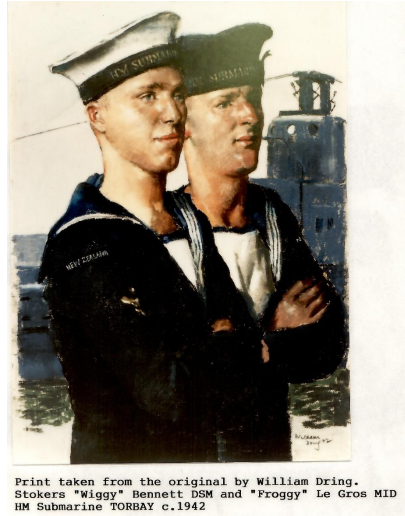

A Kiwi sailor serving with the HM Royal Navy Submarine Service in the Second World War

Philip “Froggie” Le Gros was one of some 200 New Zealand sailors who volunteered for submarine service during the Second World War. This article is based on a range of unpublished sources collected by Philip Le Gros over decades, including an interview with him in 1994 as part of the Oral History project of the Royal New Zealand Navy (RNZN) museum; many newspaper clippings (most without the newspaper title and dates); a scrapbook; captions on a framed series of reproduced drawings of the exploits of the “Torbay” on which Philip served, and; comments from his son Peter. These sources were checked against published sources (footnoted) for accuracy. It is important to note that many sources were published half a century after the events of the Second World War, and are based on memory and in some cases hearsay. An article published by the RNZN paid tribute to these men, noting that while many were ratings – seamen, stokers and telegraphers, a number were officers including lieutenants, navigators and one was in command. Philip and fellow Kiwi, Bruce Bennett, were the only RNZN sailors to have participated in action earning its commander a Victoria Cross.

Continue reading

Betty Hanson

as part of our celebration of International Womans Day 2026


Betty Hanson

Betty was a woman who made a notable contribution to education, first in Blockhouse Bay, then in the wider community and nationally.

Soon after the first of her 7 children started at Blockhouse Bay Primary School she became involved in school activities. Her initial contact was through the Dental Clinic Committee, which looked after the practical running of the clinic. She was co-opted onto the School Committee in 1919. Her ability and drive were recognised as she worked for the school’s benefit for over 26 years. In those days the women on the committee served two roles - Secretary and supper provider. During her 10 years as Secretary, she saw through some arduous jobs such as the transfer of part of the block of land which lies adjacent to the school and was used for sport activities She served as Vice President and President on the Auckland School Committees Association and was an executive member of the National School Committees Federation.

Continue reading

Lois White

as part of our celebration of International Womans Day 2026


Lois White

The New Zealand art world is filled with remarkable figures, but few are as compelling—and as unjustly overlooked in their time—as Anna Lois White (1903–1984). Known professionally as Lois (pronounced Loyce) White, she was one of the country’s leading modernist painters and a dedicated educator at the Elam School of Fine Arts, where she taught for more than three decades. Today, her work is enjoying a long-overdue resurgence, earning recognition for its bold style, social consciousness and extraordinary range.

Continue reading

SHIRLEY BROWNE

as part of our celebration of International Womans Day 2026

Shirley Browne

Shirley Browne
december 2025

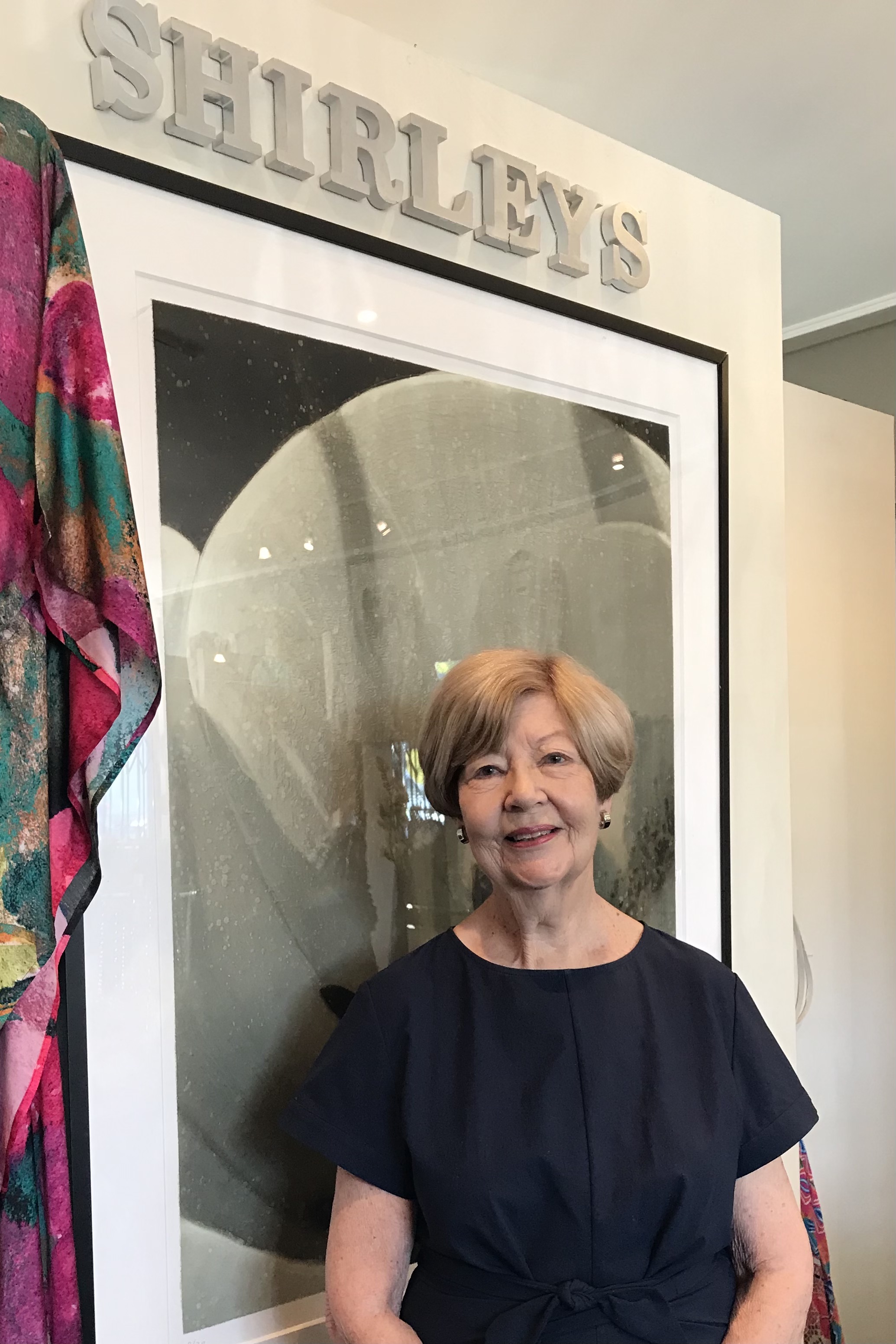
From the footpath in Blockhouse Bay village your eye is drawn to the colourful window display of Shirley’s women’s fashion store. As you step inside, you are met with an explosion of colour and fashion, all beautifully curated and displayed.

Shirley’s has been a Bay fixture for about 40 years. It is run by Shirley Browne. As a fashion co-ordinator for Brian Caughey Ltd she would visit fashion shops around Auckland. Shirley’s was then in a different venue in the village and was a much smaller shop.

Continue reading

Zena Abbott

as part of our celebration of International Womans Day 2026


Zena Abbott

Zena Abbott (April 1922 – November 1993) was a New Zealand weaver and a Blockhouse Bay resident. Her works are held at the Auckland War Memorial Museum and the Dowse Art Museum. She was born in April Auckland in 1922. Growing up in Depression-era New Zealand. Zena left school at the age of thirteen to become a dressmaker, and was subsequently drafted into essential work during World War Two. During the 1950s, she travelled around New Zealand, living in a caravan and working as a sewing machine instructor. She would leave Auckland with a van full of sewing machines and return loaded with fleeces and lichens.

Continue reading